How to Make Children Actually Love Reading (Without Forcing or Bribing Them)
Struggling to get your child off screens and into a book? Discover stress-free strategies and the power of mentorship to spark a lifelong love of reading.
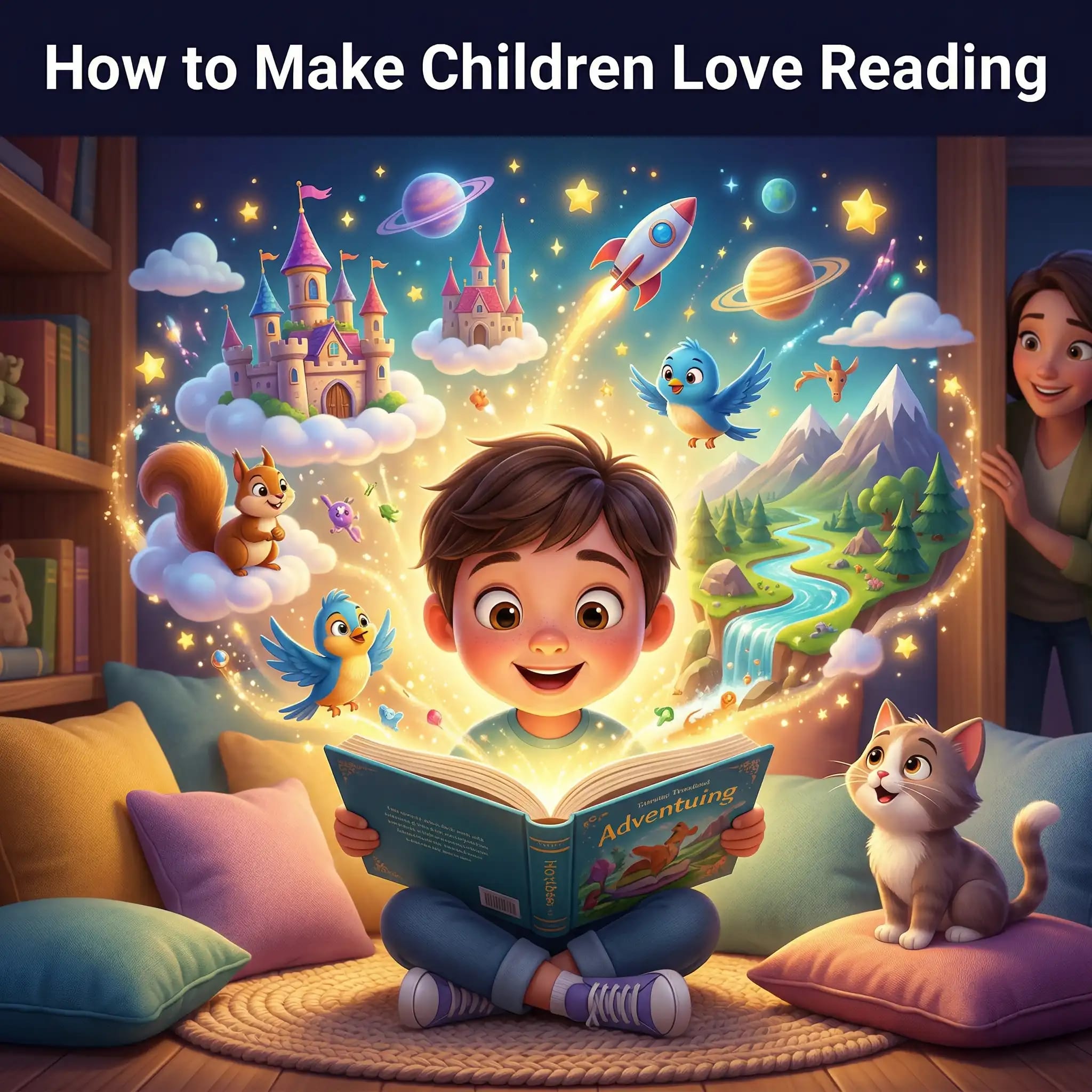
How to Make Children Actually Love Reading
We all dream of raising a child who will happily curl up on the couch for hours, lost in a great novel. But in reality, getting a child to pick up a book often feels like pulling teeth.
When a child views reading as a chore, parents tend to rely on two extreme tactics: forcing ("You can't play outside until you read two chapters") or bribing ("If you finish this book, I'll buy you a toy").
Both of these strategies backfire. Forcing builds resentment, and bribing teaches a child that reading is a miserable task to be endured for a reward. If you want to raise a child who genuinely loves reading, you have to help them find intrinsic motivation. Here is a stress-free guide to making books irresistible, particularly for kids in that crucial 6-to-12-year-old window.
1. Let Them Read the "Junk Food"
As adults, we often have an idea of what "real reading" looks like. We want our kids reading award-winning historical fiction or classic literature. But when children are between the ages of 6 and 12, they are craving autonomy. If you dictate their reading list, they will rebel.
The Fix: Let them read whatever they want. Graphic novels, comic books, video game manuals, or that one joke book they’ve read fifty times. Graphic novels, in particular, provide a massive dopamine hit of visual storytelling while still requiring the brain to decode text and follow a narrative. If they chose it themselves, they are building a positive association with the act of reading.
2. The Secret Weapon: 1-on-1 Literary Mentorship
Sometimes, the biggest hurdle to a child's love of reading is the parent-child dynamic itself. When a parent says, "Let's read," it can feel like a homework assignment. Kids desperately want to please their parents, which means reading aloud to you can trigger performance anxiety.
The Fix: Outsource the inspiration. Pairing your child with a 1-on-1 reading mentor is one of the most effective ways to ignite a passion for books. Imagine connecting them with a bright, enthusiastic college student—someone from a top-tier engineering or liberal arts background—who acts as a "reading buddy."
A young, energetic mentor feels like a cool older sibling rather than an authority figure. They can discuss plots, read aloud together, and share recommendations in a highly social, zero-pressure environment. It transforms reading from an isolated chore into a fun, peer-to-peer connection that your child will actually look forward to.
3. Stop the "Pop Quiz" Interrogations
We want to make sure our kids are actually comprehending what they read, so the moment they close a book, we grill them. "Who was the main character? Why did he do that? What happened in chapter three?" Nothing kills the joy of a good story faster than a pop quiz.
The Fix: Shift from testing to conversing. Instead of interrogating them, share your own reading experiences. Say, "I just read a book where the main character was terrified of heights. What is the scariest part of the book you are reading right now?" Keep it casual, open-ended, and completely free of judgment.
4. Create a "Strewing" Strategy
Marketing experts know that product placement works. If you want your child to read, you need to market the books to them inside your own home. If the books are neatly tucked away on a high shelf in the playroom, they will be forgotten.
The Fix: Practice "strewing." Leave high-interest, visually engaging books in places where your child naturally gets bored. Put a stack of graphic novels on the coffee table. Leave a joke book in the car. Put a magazine about their favorite hobby on the kitchen island. Make the books more accessible than the iPad. When boredom strikes, the book will be waiting.
5. Don't Stop Reading Aloud
A massive mistake parents make is stopping the bedtime read-aloud as soon as their child learns to read independently. A seven or eight-year-old’s reading ability is often far below their listening comprehension. They are stuck reading simple, repetitive sentences, but their brains are craving complex, exciting plots.
The Fix: Keep reading to them! Pick a thrilling chapter book that is slightly above their independent reading level and read a chapter every night. Do the voices, build the suspense, and leave them on a cliffhanger. Hearing you bring a story to life reminds them why all the hard work of learning to read is actually worth it.
The Bottom Line
A love of reading cannot be mandated, but it can be cultivated. By offering total freedom of choice, surrounding them with great stories, and introducing them to inspiring mentors who make reading "cool," you can help your child discover that books aren't just homework—they are magic.
Share this post! Is your household currently caught in a reading battle? You are not alone! Share this article with a fellow parent or teacher who could use some fresh, stress-free ideas today.